Eight offices. One extraordinary responsibility.
Under federal law, the President may withhold a covert action finding from the full intelligence committees and brief eight congressional leaders instead. This is an independent reference on who those eight are, where the authority comes from, and what it does and does not require.
Every roster on this site is locked to a specific Congress and carries the date it was verified. Records are archived when they age — never quietly edited into a claim about the present.
The eight seats
Membership follows the office, not the person. These are the eight officials who held the statutory seats during the 119th Congress.
Congressional Leadership
4 seats Speaker of the House
Mike Johnson
Holds a Gang of Eight seat as Speaker of the House.
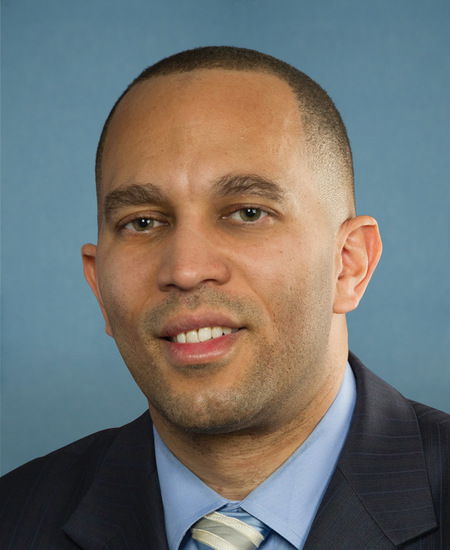 House Minority Leader
Hakeem Jeffries
Holds a Gang of Eight seat as House Minority Leader.
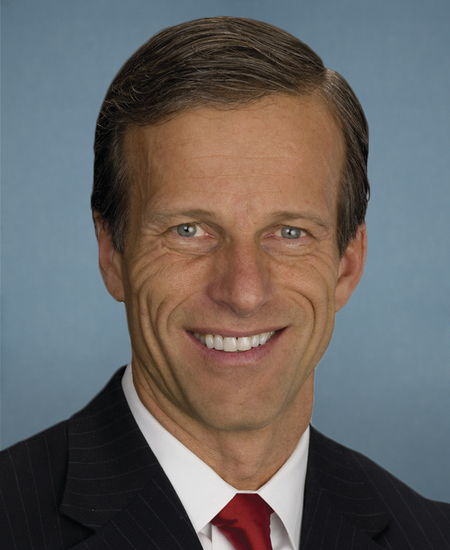 Senate Majority Leader
John Thune
Holds a Gang of Eight seat as Senate Majority Leader.
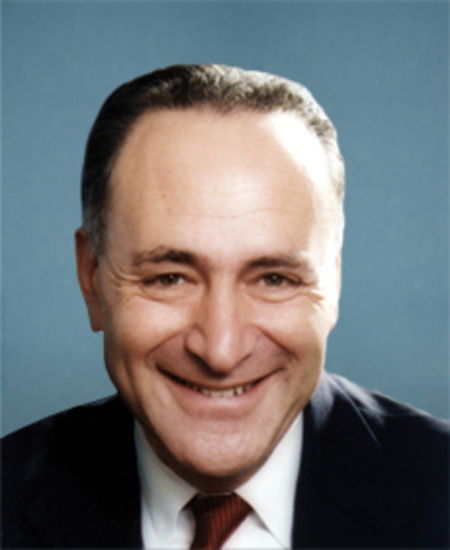 Senate Minority Leader
Chuck Schumer
Holds a Gang of Eight seat as Senate Minority Leader.
Intelligence Committee Leadership
4 seats Chairman, House Intelligence Committee
Rick Crawford
Holds a Gang of Eight seat as chairman of the House Permanent Select Committee on Intelligence.
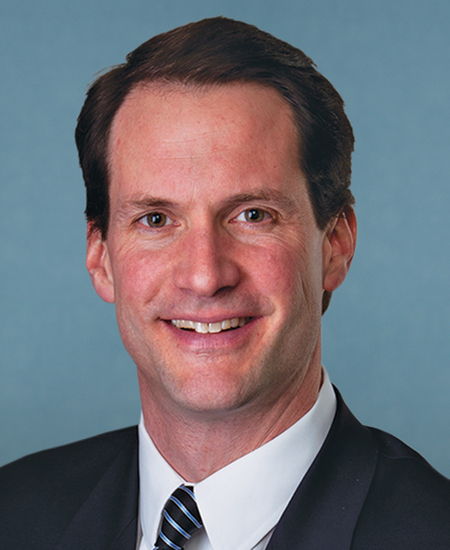 Ranking Member, House Intelligence Committee
Jim Himes
Holds a Gang of Eight seat as ranking member of the House Permanent Select Committee on Intelligence.
 Chairman, Senate Intelligence Committee
Tom Cotton
Holds a Gang of Eight seat as chairman of the Senate Select Committee on Intelligence.
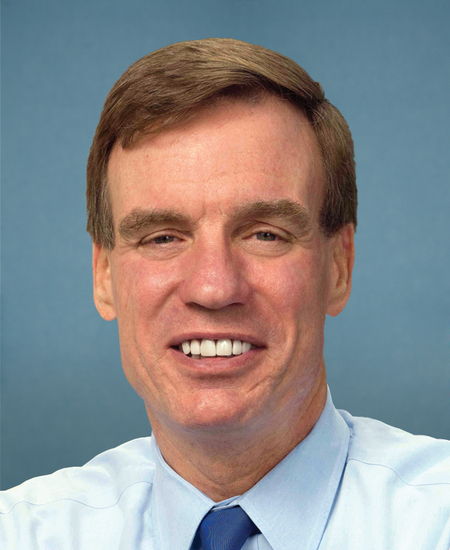 Vice Chairman, Senate Intelligence Committee
Mark Warner
Holds a Gang of Eight seat as vice chairman of the Senate Select Committee on Intelligence.
Record covers the 119th Congress (January 3, 2025 – January 3, 2027). Last verified August 27, 2026. This record will be archived rather than overwritten when the next Congress convenes.
Why eight?
The number is not arbitrary. It is two groups of four, balanced across both chambers and both parties — by construction, in every Congress.
- Speaker of the House
- House Minority Leader
- Senate Majority Leader
- Senate Minority Leader
- House Intelligence Chairman
- House Intelligence Ranking Member
- Senate Intelligence Chairman
- Senate Intelligence Vice Chairman
Start here
Nine evergreen references on the mechanism, the statute, and the constraints — written to stay accurate regardless of who holds the seats.
What Is the Gang of Eight?
A statutory exception, not a club: how eight offices came to hold America's most restricted congressional briefings.
Who Is in the Gang of Eight?
The answer changes. Here is the current locked roster — and how to confirm the eight yourself, in five minutes, from primary sources.
Why Are There Eight?
Four leaders plus four committee heads, balanced by chamber and party. The arithmetic is the argument.
The Law: 50 U.S.C. § 3093
A plain reading of the covert action reporting statute, with the operative language quoted directly.
Gang of Eight vs. the Intelligence Committees
One is a standing institution with staff and hearings. The other is a list of eight offices with no staff at all.
Gang of Four vs. Gang of Eight
One is written into law and covers covert action. The other is custom, covers collection, and has half the members.
Where the authority comes from
"…the chairmen and ranking minority members of the congressional intelligence committees, the Speaker and minority leader of the House of Representatives, the majority and minority leaders of the Senate, and such other member or members of the congressional leadership as may be included by the President."
50 U.S.C. § 3093(c)(2)
Full committee notification is the default. The President may narrow it only upon determining that limitation is essential to meet extraordinary circumstances affecting vital interests of the United States — and the restriction is not designed to be permanent.
Fifty years of argument, in one timeline
From Hughes-Ryan in 1974 through Church and Pike, Iran-Contra, and the post-9/11 surveillance disputes — how the mechanism was built, and what each reform was reacting to.